




A Primer on Dialogue Noise Suppression in Film, TV and Music
TL;DR: This blog entry provides a 1.01 primer on the importance of dialogue noise suppression (DNS) in film, TV and music, and looks at the history of the subject as well as suggesting key criteria audio professionals should consider when researching potential solutions.
Introduction
The world is a noisy place, but our brains are very good at filtering out unwanted noise effectively. As an example, there can be lots of background noise in a restaurant or café, but two people on opposite sides of a table are able to conduct a conversation without any problems. Place a microphone between the two and record the conversation, however, and the background noise becomes much more apparent, and intelligibility will suffer. This problem is faced by sound engineers when capturing audio, dialogue and music in noisy environments, and this is where CEDAR Audio comes to the rescue.
CEDAR Audio has been working since the late 1980s to help audio professionals deliver better audio clarity, regardless of whether they are in a recording studio/mastering suite, a broadcast studio, on-location or in a live broadcast or music environment. Over the last 40 years, our emphasis has gradually shifted from audio restoration – working to salvage seemingly lost recordings and clean up historic audio from shellac 78s, vinyl records and old tape sources – to also offering creative tools that help musicians, producers, engineers and content creators compensate for imperfect recording environments. That may involve removing very specific kinds or specific instances of noise – a cough during a classical music recital, for example – or it may require a more general approach to noise suppression that helps transform an otherwise compromised recording into something that can be used.
Why Consider Noise Suppression?
Imagine shooting a fantasy movie that’s set in dense woods on an alien world. The writers have honed the dialogue, the (costly!) actors have learned their lines and sat for hours in hair and makeup, the Director of Photography has lit the scene to create the moody atmosphere described in the script….and then a delivery truck starts honking its horn on the main road a mile away from the shoot. Perhaps an aeroplane flies overhead, or someone on the other side of the forest fires up a chainsaw. While all of these issues can be fixed in post-production, and CEDAR Audio’s solutions have been a mainstay of Hollywood post-production suites since the 1990s, crews working on lower-budget TV shows or productions relying on fast turnarounds may prefer to capture a clean and usable take on set rather than waiting to fix any audio problems in post. The same kinds of issue apply in broadcast studio environments – heating and air conditioning units can create fan noise, lights can generate electrical hum, and studio set design can cause reverberation that gets picked up by microphones, degrading both the quality of the audio and the audience experience. Live environments can be even more unpredictable. Consider the scenario of a music concert that is being broadcast live on TV. Crowd noise, pyrotechnics, feedback, electrical hum and the natural acoustics of the venue can all get in the way of a clean audio signal, causing headaches for the engineers trying to create the best possible experience.
Solutions
Noise suppression techniques and solutions have been around since the 1920s, although mostly in the form of physical and mechanical devices that were designed to shield noisy cameras from actors on film sets.
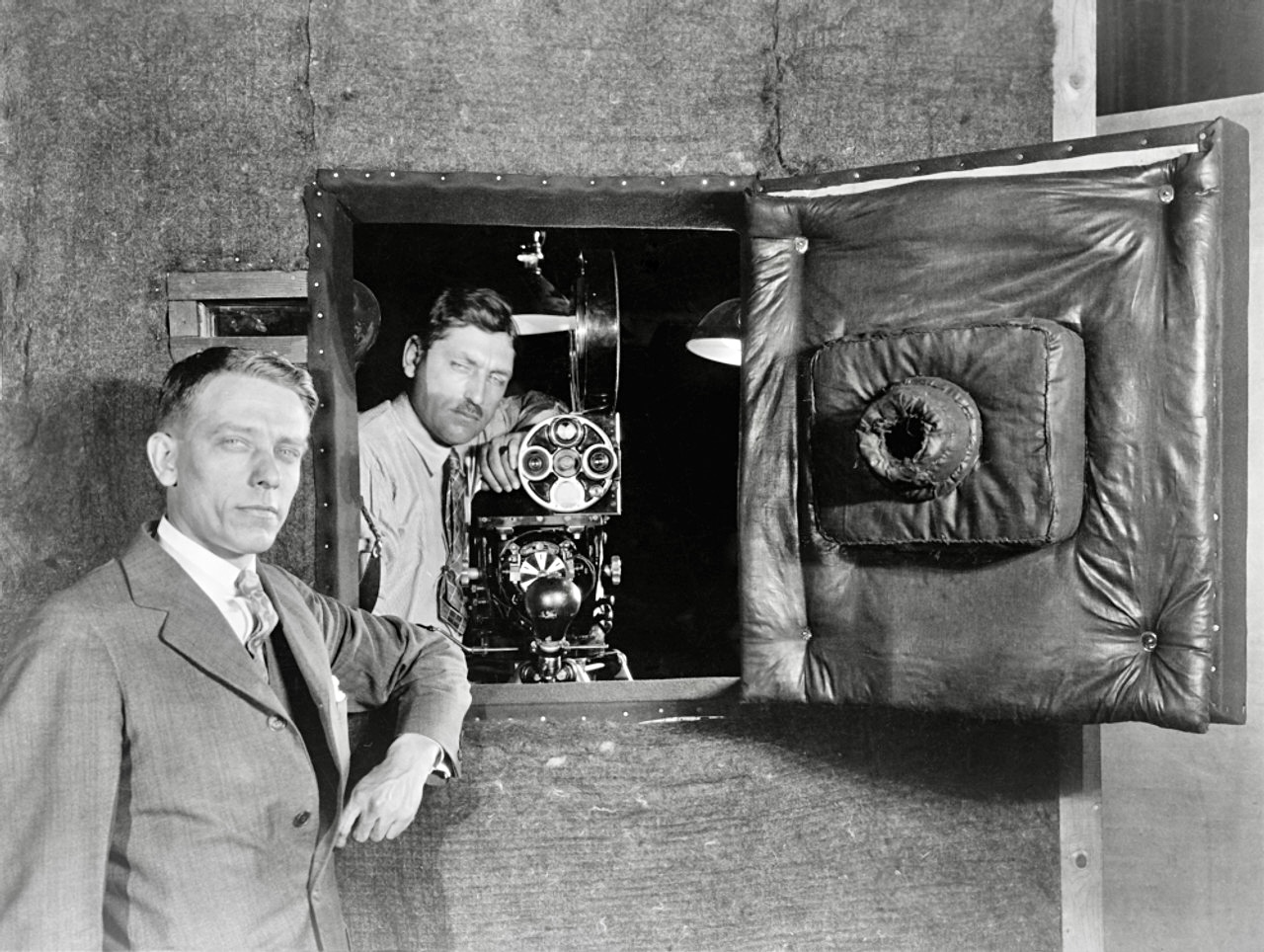
An early soundproofed camera booth designed to prevent camera noise being picked up by microphones on set.
Dolby, Packburn Electronics and then CEDAR Audio all pioneered different methods of reducing noise and processing audio in the 1960s, 70s and 80s respectively.
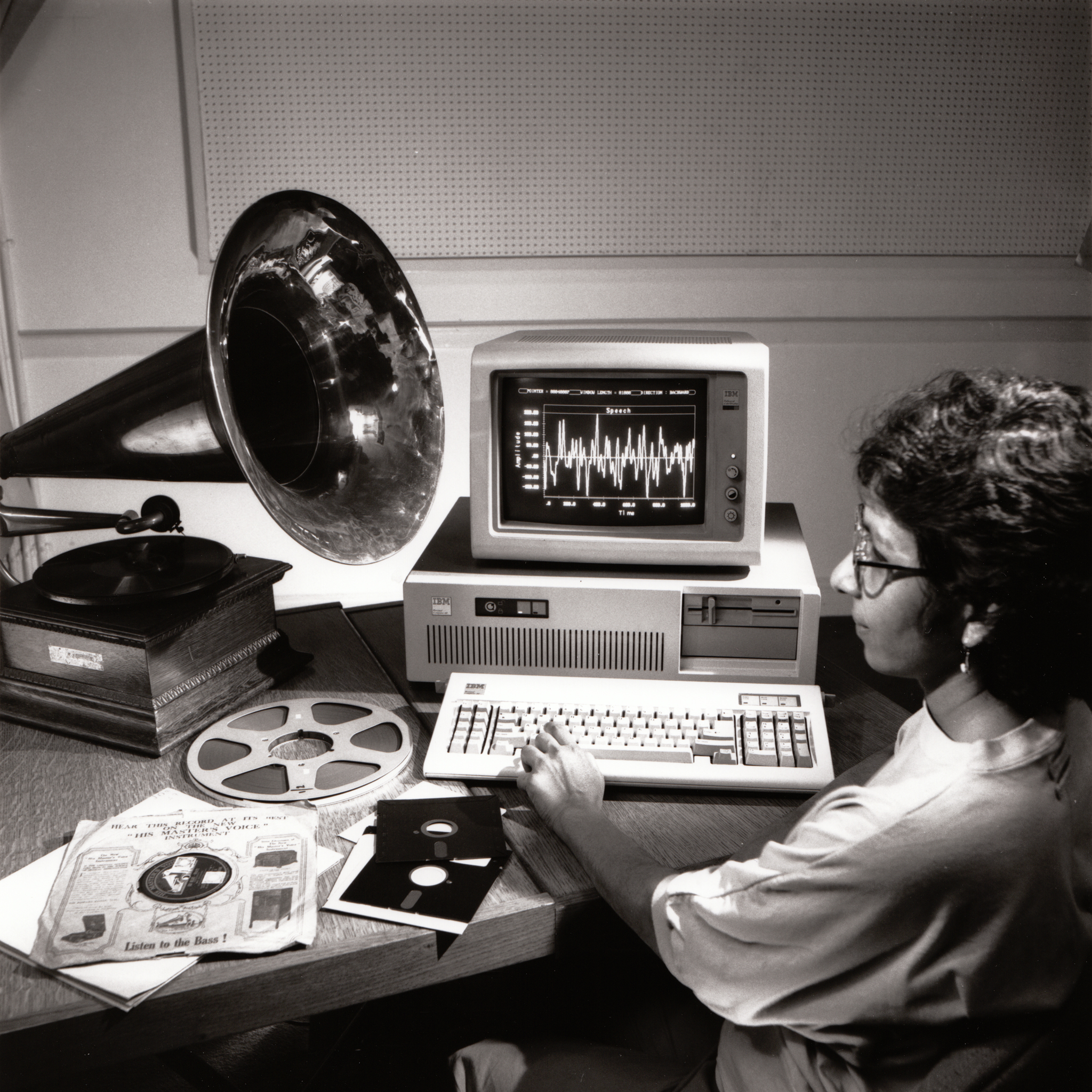
A prototype of the first CEDAR Audio system, circa 1988.
Today, solutions to remove unwanted noise are available as either hardware or software, and the ideal product will depend on the nature of the project and the audio signal path. When choosing a solution, there are a number of factors that audio professionals should bear in mind, and these are outlined below.
Cost - Noise reduction and noise suppression software products are often available at very low cost online or are bundled together with content editing suites. While these solutions may appear good value, their performance may be quite limited compared to more professional solutions and they may not remove all of the unwanted noise or may introduce artefacts as a result of their processing. Choose wisely – a cheap solution may be false economy in the longer run if it does not offer excellent first-time results and requires additional revision work, adding complexity to workflows rather than simplifying them.
Effectiveness – Be wary of noise suppression solutions that promise to remove all background noise. Compromise is always required; physics dictates so. Many solutions will offer to process audio signals and remove noise automatically but look for a solution that includes additional adjustment options over and above an arbitrary processing algorithm. One size rarely fits all!
Voice preservation – While many noise suppression solutions will remove background noise, they will also often introduce artefacts to the voices you are working with. Listen carefully for ‘twittering’ (also described as ‘burbling’ or underwater sounds) being introduced to the voice as background noise is reduced. The best noise suppression solutions should remove unwanted noise while preserving audio and leaving voices clear and intelligible.
User interfaces – More buttons on your hardware or software user interface does not mean a better product! There is always a balance to be struck. Audio professionals know that time is valuable and look for a blend of smart audio processing and manual control to obtain the best results. Several CEDAR Audio solutions have been designed with simplicity as a priority, and can provide outstanding results despite only featuring a modest number of controls.
Brand pedigree – There are many different brands in the market to choose from, some of which have been offering noise reduction and suppression for many years. CEDAR Audio has been producing solutions for audio professionals since 1990, and we’ve won an Emmy® and an Academy Award® for our innovative technologies. Unlike other brands, we don’t promote or rely on paid-for endorsements – our solutions are chosen and used by professionals who trust our products to deliver, and value the results we help achieve.
Try before you buy – If you are considering a software plug-in solution, most are now available on a free trial basis, so take your time and explore a range of products to decide which is right for you.